Localized Video Ads vs Subtitled Ads: Which Performs Better for Audiences in Saudi Arabia?
Localized video ads usually perform better than subtitled ads in Saudi Arabia. A localized ad is made in the viewer’s own language, with the right dialect, tone, voice and cultural details. A subtitled ad keeps the original audio and adds text on the screen. When the goal is trust, attention and action, the localized version tends to win, because people do not have to work to understand it. Subtitles still have a place, and the best choice depends on your goal, your budget and where the ad will run.
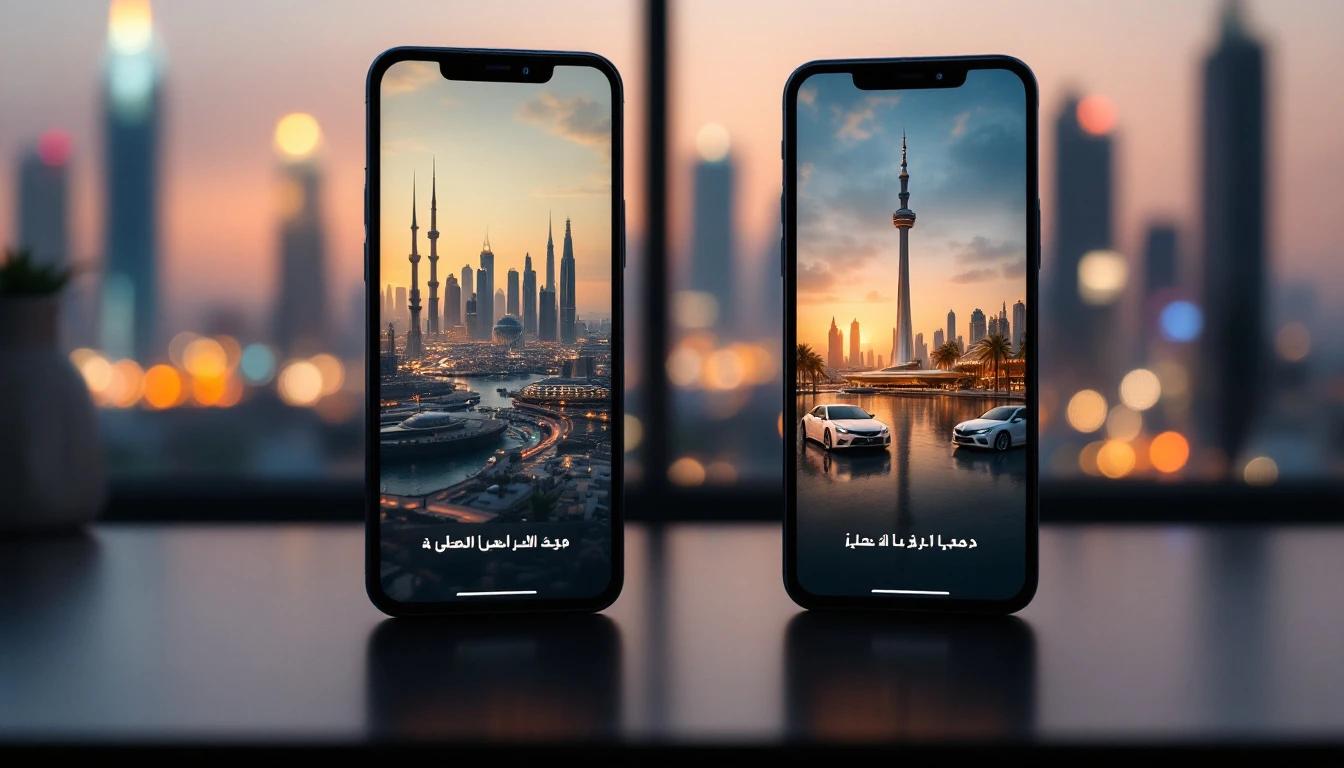
Start with how people actually watch. In Riyadh, most video ads are seen on a phone, often on Snapchat, Instagram, TikTok, YouTube or X. People scroll fast, and a good number of them watch with the sound off. This is why many brands rely on subtitles. If the video is silent, text on the screen is better than nothing. But there is a problem. A viewer who must read, watch the picture and follow the message all at once is doing three jobs in a few seconds. Many will simply scroll away. A localized ad that speaks naturally, with clear on-screen text in Arabic, makes the message easier to take in.
Language is more than words. Arabic is spoken in many forms, and a Saudi viewer hears the difference between formal Arabic, Gulf Arabic and the dialect of another country in the first few seconds. A voiceover with a Najdi or Hijazi feel can sound close and friendly. The same script read in a different accent can feel like it came from somewhere else. This is the main reason people say translated content feels unnatural. The sentences may be correct, but they do not sound like the way locals talk. Subtitles often carry this problem, because they are usually a direct translation of the original speech. Localization fixes it by rewriting the message for the audience instead of only changing the words.
Culture matters just as much as language. A localized ad thinks about what the viewer sees and feels. The clothing, the setting, the humor, the family scenes, the way a product is shown, and even the time of year can change how an ad is received. An ad that fits Ramadan, National Day or the Riyadh Season mood feels like it belongs to the viewer. A subtitled ad that was shot for another market can feel foreign, even when every word is understood. Brands that want to be seen as part of the local community, and not as an outsider, get more value from localization.
Trust is another big reason. People buy from brands they feel they understand and that understand them. When an ad speaks in the viewer’s own voice, it sends a quiet signal: this brand knows who I am. That feeling helps with recall, which means people remember the brand later. It also helps with clicks and actions, because the message feels clear and safe. This is especially true for higher-value choices such as financial services, real estate, healthcare, education and luxury products, where people want to feel sure before they act. Subtitles can still give the facts, but they rarely build the same warmth.
Now to be fair to subtitles. They are not a bad choice. They work well when the message is short and simple, when the visuals tell most of the story, and when the audience already knows the brand. They are also faster and cheaper to produce, which matters if you are testing a new idea or running many small campaigns. If your video has no speech, such as a product shot with music, then subtitles or simple text overlays may be all you need. For a global brand that wants a single look across many countries, subtitles also keep the original voice and style. So the honest answer is not that subtitles fail. It is that they do less work than a well-localized ad when the goal is trust and action.
The best approach for many brands is a mix. Record a localized voiceover in the right Saudi dialect, and also add clear Arabic captions for people who watch without sound. Make sure the captions match the spoken words, are easy to read, and appear long enough on screen. Keep the first three seconds strong, because that is where most viewers decide to stay or leave. Put the main message early, and do not hide the brand name until the end. This hybrid method gives you the comfort of a native voice and the safety of text, and it works across the platforms your audience uses every day.
You should not guess which version works better for your brand. Test it. Run two versions of the same ad to a similar audience: one localized and one subtitled. Keep the budget, the placement and the timing the same, and change only one thing. Then compare the results that matter to your goal. These can include video completion rate, click-through rate, cost per lead, form submissions, calls, and sales. Look at brand recall too, if you can measure it. Give the test enough time to collect real data, and do not stop it after one day. Your results will also tell you which dialect, tone and style your audience prefers, and that information is useful for every campaign after this one.
Budget deserves a simple word. Localization costs more than subtitles at the start, because you need a good writer, a native voice artist and sometimes a new edit or even a new shoot. But the cost often comes back through better results, because a stronger ad can lower the cost of each lead or sale. If your budget is small, begin with the ads that matter most, such as your main product or your biggest campaign, and localize those first. Then expand once you see the results.
Quality is what decides everything. A badly localized ad can do more harm than a clean subtitled one. Machine translation, a flat voice or a wrong dialect can make a brand look careless. Work with people who live in the market, understand the culture and can judge whether a line sounds natural. Ask a few real Saudi viewers to watch the ad before it goes live. Their first reaction is worth more than a long meeting.
So, do localized video ads perform better than subtitled versions in Saudi Arabia? In most cases, yes. They feel more natural, build trust faster and make it easier for people to act. Subtitles are still useful for quick, simple or silent content, and a mix of both often gives the best balance. The key is to match your choice to your audience, your platform and your goal, and to test before you decide.
If you are planning video ads for the Saudi market and want them to sound and look like they belong here, Greynab can help. Greynab is a Riyadh-based team that handles both video production and marketing for brands across Saudi Arabia and the Gulf. We plan, write, shoot and edit your commercial videos, including localized voiceovers and Arabic captions. Then we help you put them in front of the right people with a clear marketing plan, so your ads are not only well made but also reach the audience that matters. One team, from the first idea to the final result. Contact Greynab today to talk about your next campaign.
Want this kind of thinking on your brand?
The house puts the same craft behind the work it makes. Tell us what you're building.