What Actually Happens During a Film Production?
A film production is much more than what happens on shoot day. From the first idea and pre production planning to filming, editing, sound, and color grading, every stage plays a role in turning a concept into a finished film.
When people watch a finished commercial, brand film, or campaign video, they usually only see the final result. A polished thirty seconds, a strong performance, beautiful lighting, clean sound, and everything working together perfectly. What they do not see is everything that happened before that final version existed. Film production is not simply showing up with a camera and pressing record. It is a carefully planned process that takes an idea and turns it into something people can see, hear, and feel.
Every production begins with an idea. Sometimes that idea comes from a client, sometimes from an agency, and sometimes from a director or creative team. Before anything is filmed, everyone needs to understand what the film is trying to achieve. Who are we speaking to? What should the audience feel? What should they remember? Where will the film be shown? Once these questions are clear, the production team begins turning the idea into something that can actually be filmed.
This stage is called pre production, and it is where a huge part of the work happens. The script is developed, the director defines the visual approach, storyboards or shot lists are prepared, locations are searched for, actors are cast, wardrobe is selected, sets are designed, and props are prepared. The production team also decides what camera and lighting equipment will be needed, builds the schedule, books the crew, organizes transport, and makes sure everyone knows exactly what needs to happen on the shoot day.
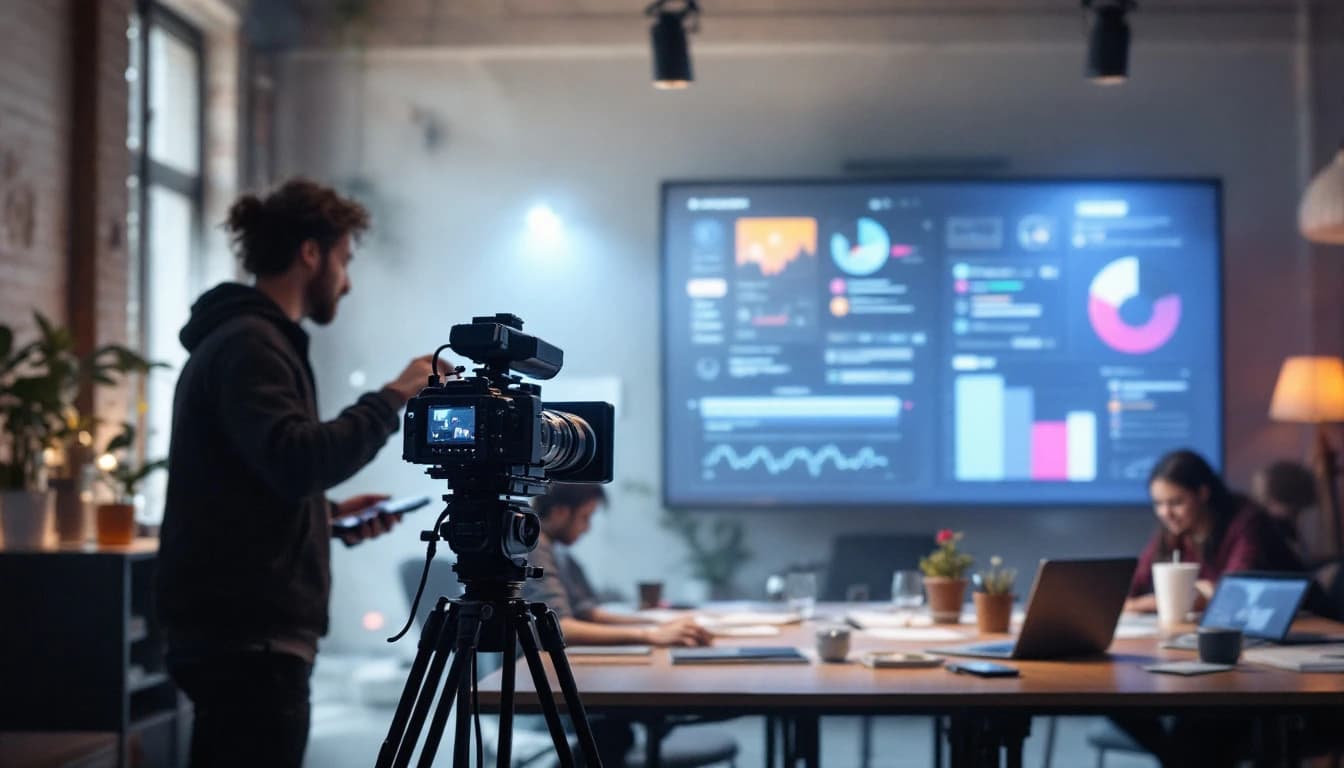
A professional production usually involves many people, each responsible for a different part of the film. The director focuses on the story, performances, and overall creative vision. The director of photography shapes how the film looks through lighting, camera movement, lenses, and framing. The production team handles logistics and scheduling. The art department creates the physical world around the actors. Wardrobe, hair, and makeup prepare the talent. The sound department captures dialogue and atmosphere. Camera assistants, lighting crews, grips, assistant directors, production assistants, and many others work together behind the scenes. On larger productions, dozens of people can be working together to create only a few seconds of finished footage.
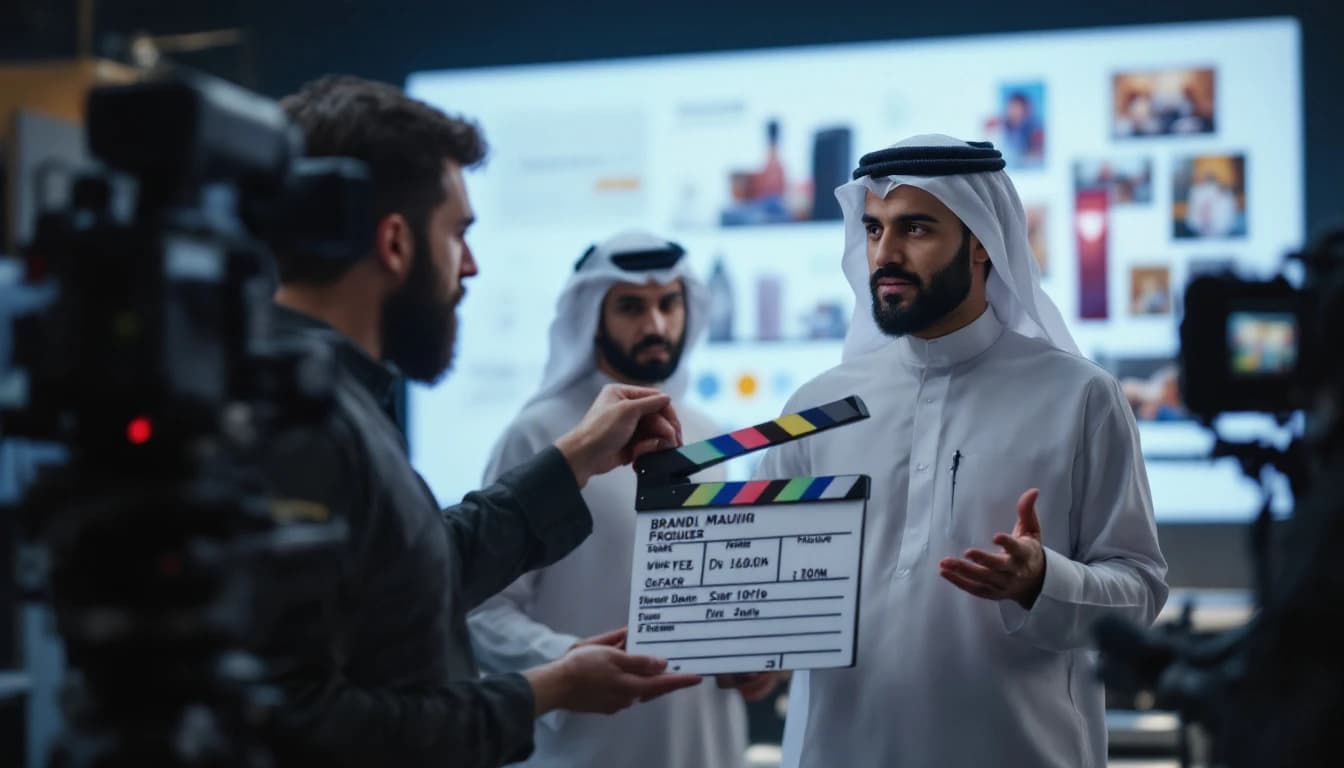
Then comes the shoot day, when all the planning finally becomes real. The crew arrives, equipment is prepared, lights are positioned, sets are dressed, actors go through wardrobe and makeup, and the director rehearses the scenes. Once everything is ready, filming begins. A single shot may be recorded several times. The director might adjust the performance, the camera position may change, the lighting might need to be refined, or a prop may need to move slightly. A shot that lasts only three seconds in the final film can sometimes take much longer to capture properly because filmmaking is about controlling small details.
No matter how carefully a production is planned, unexpected things can still happen. The weather changes, a location becomes noisy, a prop does not work as expected, a scene takes longer than planned, the sunlight moves, or a technical issue appears. A strong production team knows how to solve these problems quickly without allowing them to affect the final result. A big part of filmmaking is not making sure that nothing ever goes wrong. It is knowing what to do when something does.
Once filming is finished, the project moves into post production. This is where the footage starts becoming a real film. The editor reviews everything that was shot, selects the strongest takes, builds the scenes, and shapes the rhythm of the story. Music is added, sound design is created, voice over may be recorded, and visual effects or motion graphics can be introduced. The film then goes through color grading, where the final visual mood is refined. A film can feel warmer, colder, brighter, darker, softer, or more dramatic depending on how it is graded.
Sound is also carefully mixed so that dialogue, music, effects, and atmosphere all work together. These details may not always be obvious to the viewer, but they have a huge impact on how professional and immersive the final film feels. Once the main film is approved, different versions may also be created for different platforms. A horizontal version might be needed for television or YouTube, a vertical version for social media, shorter cuts for digital ads, and different language versions for different audiences.
This is why one production can often result in many final pieces of content. A single shoot might create a main commercial, shorter edits, social media versions, behind the scenes content, still images, and other campaign assets. Good production planning looks beyond the main film and thinks about how every shoot can create as much useful content as possible.
So what actually happens during a film production? Ideas become scripts. Scripts become plans. Plans become sets, locations, performances, lighting, and camera movement. Those moments become footage, and that footage eventually becomes a story. By the time the audience sees the final film, hundreds of decisions have already been made behind the scenes.
The best productions often look effortless when they are finished. That effortless feeling usually comes from a lot of careful work that the audience never sees.
Want this kind of thinking on your brand?
The house puts the same craft behind the work it makes. Tell us what you're building.