هذا المقال متاح بالإنجليزية حالياً، وستظهر النسخة العربية هنا بعد مراجعتها.
AI vs Traditional Film Production
AI and traditional film production offer different strengths. One brings speed and creative flexibility, while the other brings authenticity and human performance. The best approach often depends on the story you want to tell.
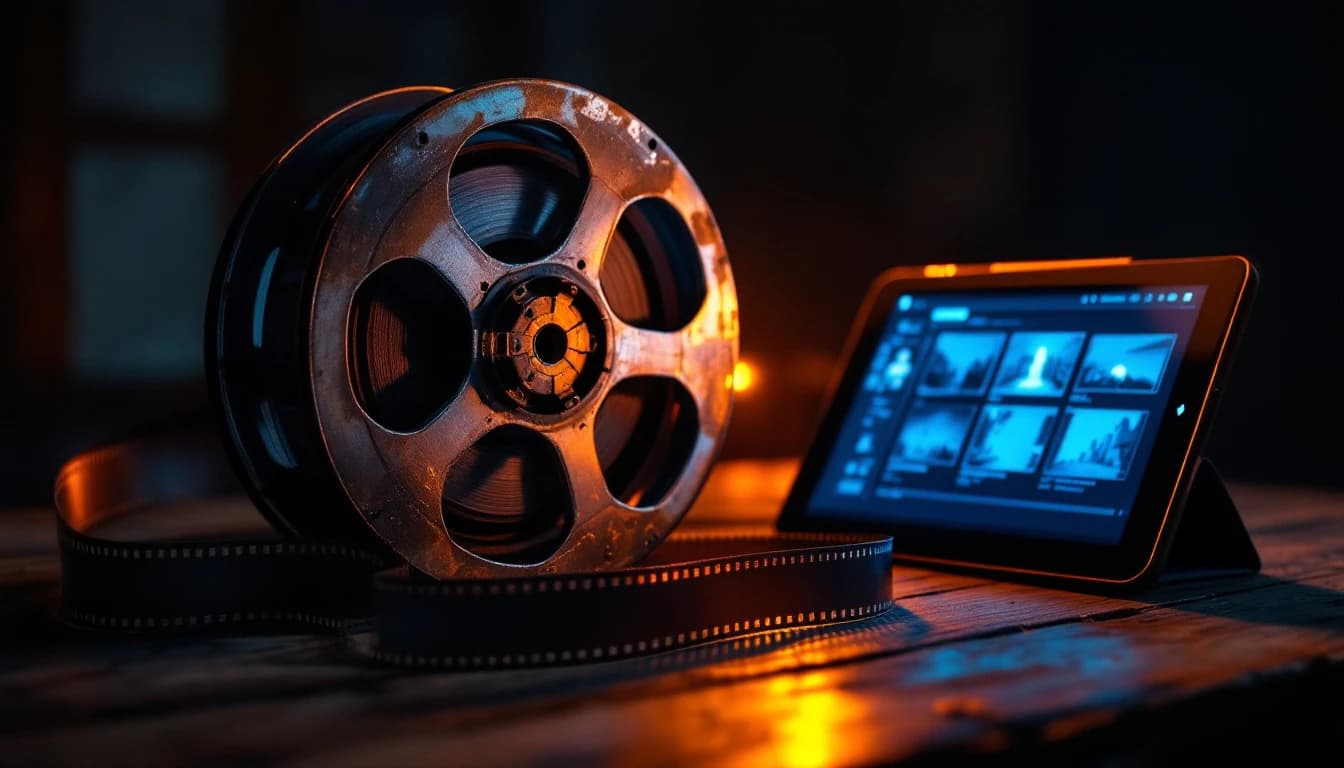
Film production is changing quickly. What once required a full crew, physical locations, expensive equipment, and long production timelines can now sometimes begin with a prompt, a reference image, or a few lines of text.
AI has introduced a completely new way of creating visual content. It can generate images, videos, voices, storyboards, environments, characters, and even entire scenes. At the same time, traditional film production is still doing what it has always done best, capturing real performances, real locations, real light, and real human moments.
The question is not necessarily which one is better. The more useful question is when each approach makes sense.
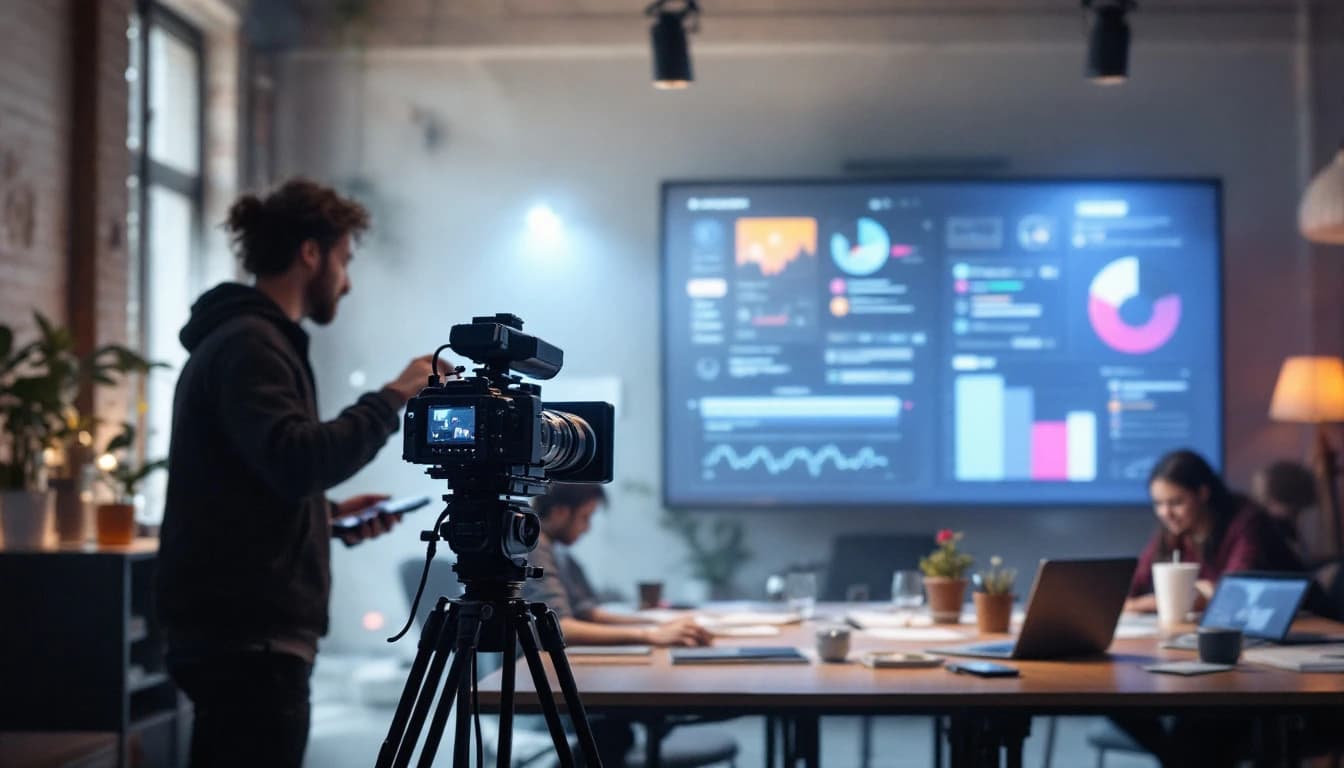
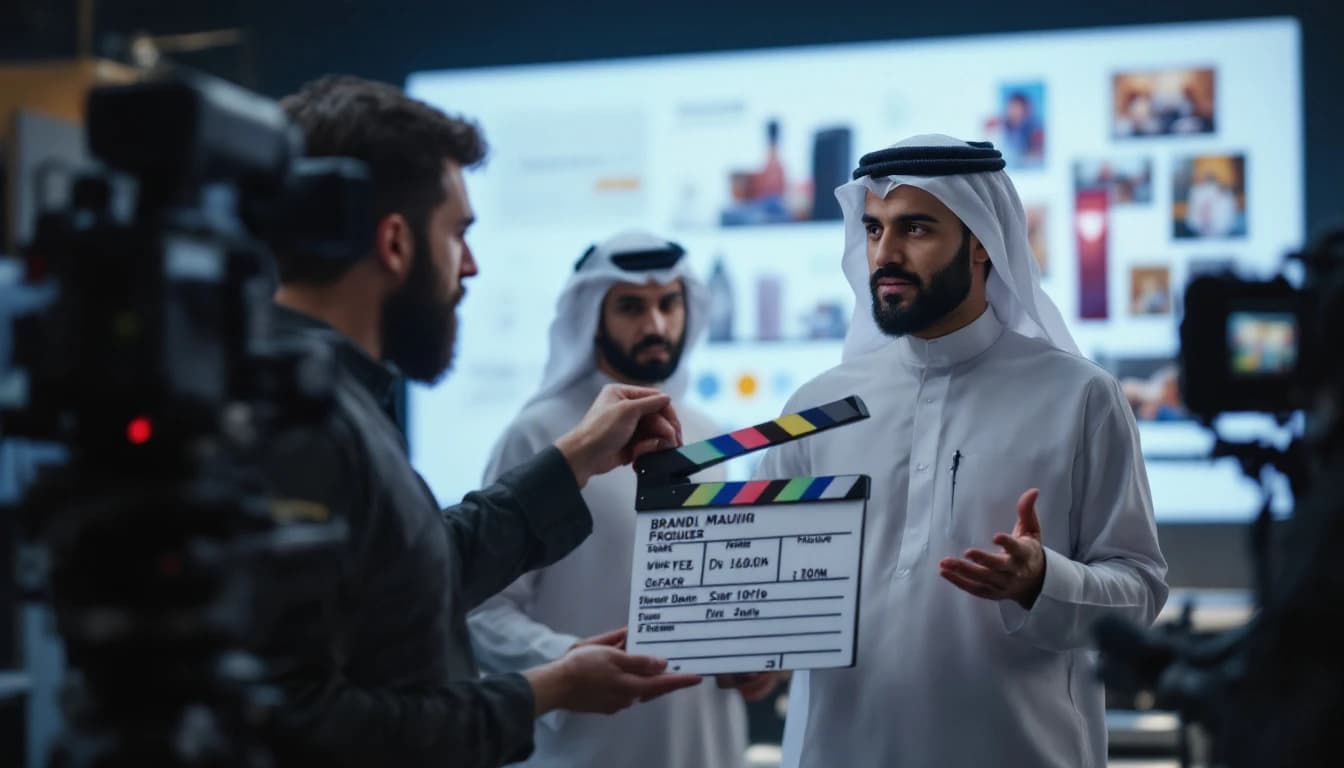
Traditional film production is built around people and physical execution. A director works with actors. A cinematographer shapes the light. A production designer creates the environment. A crew builds, moves, adjusts, reacts, and solves problems in real time. What happens in front of the camera is influenced by hundreds of creative decisions made by people.
That process can take time, but it also creates something very difficult to fake. A real expression. A spontaneous reaction. A natural interaction between people. Sometimes the strongest moment in a film is something that was never written into the script.
AI production works very differently. Instead of capturing something that physically exists, it creates or transforms visual material digitally. A team can explore multiple environments, styles, characters, and compositions without building a physical set or traveling to a location.
This can make the early stages of production much faster. Directors can visualize ideas before the shoot. Agencies can present concepts more clearly. Storyboards can become more detailed. Locations can be explored digitally. Different visual directions can be tested before committing to one.
In some cases, AI can also become part of the final production itself.
A scene that would normally require a complicated location, large set, or expensive visual effects can sometimes be created or extended using AI. Products can be placed inside imaginative environments. Backgrounds can be transformed. Visual ideas that would have been difficult to produce physically can suddenly become possible.
That does not mean AI makes production effortless.
Generating one impressive image can be relatively easy. Creating a complete film that feels consistent, intentional, and professionally directed is much more complicated.
Characters need to remain consistent. Camera movement needs to feel natural. Lighting has to match from one scene to another. Products need to look correct. Performances need to feel believable. The film still needs pacing, storytelling, sound, editing, and a clear creative direction.
AI may change the tools, but it does not remove the need for taste.
That is one of the biggest misunderstandings around AI production. The technology can generate possibilities, but someone still needs to decide what is good.
Traditional production also has limitations.
A physical shoot depends on locations, weather, schedules, talent availability, permits, equipment, and budget. If a certain location exists on the other side of the world, filming there may require travel and a large production setup. If a scene requires something impossible or highly unrealistic, it may need extensive visual effects.
AI can remove some of those limitations.
But traditional production gives filmmakers a level of control and authenticity that AI is still learning to replicate. If a brand needs very specific product details, precise human performances, realistic interactions, or absolute visual consistency, filming the real thing can still be the stronger choice.
This is especially important when people are at the center of the story.
A great actor can understand direction, change a performance, react to another actor, and create small emotional details that make a scene believable. Human performance is not simply about movement. It is about timing, personality, imperfection, and emotion.
These are often the things that make an audience connect with a film.
So does that mean brands need to choose between AI and traditional production?
Not necessarily.
One of the most interesting directions in film production today is combining both.
A project might begin with AI generated concept frames and storyboards, then move into a traditional shoot. Real actors and products can be filmed while AI is used to extend environments or create additional visual elements. A live action film can be enhanced during post production using AI tools.
This hybrid approach can give filmmakers more creative flexibility while keeping the authenticity of real production.
It can also help production teams work smarter.
Instead of replacing the entire process, AI can become another tool inside it.
The same thing has happened many times in filmmaking. Digital cameras changed how films were shot. Computer generated imagery changed what could appear on screen. Digital editing changed post production. Each new technology created new possibilities, but storytelling, direction, and creative judgment remained important.
AI is another major shift.
For brands, the decision should always begin with the idea.
If the concept depends on real people, genuine performances, physical products, or documentary style authenticity, traditional production may be the right choice.
If the idea involves surreal worlds, highly imaginative visuals, rapid experimentation, or environments that would be extremely difficult to create physically, AI may offer new opportunities.
And if the project needs both realism and creative flexibility, a hybrid production may be the strongest solution.
In the end, audiences rarely care which tools were used to create a film.
They care about whether it makes them feel something.
AI can generate images. Cameras can capture reality. But the real job of production remains the same.
Turning an idea into something worth watching.
تريد هذا التفكير لعلامتك؟
الدار تضع الحرفة نفسها خلف كل ما تصنعه. أخبرنا بما تبنيه.